
How the ICC's 2027 ODI World Cup Format Could Produce Three India-Pakistan Meetings
On 15 July 2026, The Times of India reported that the ICC's rebuilt 2027 ODI World Cup structure expands the field to 14 teams and opens a path for India and Pakistan to meet as many as three times if both sides clear the group stage, Super 7 and the last four.
· Retrospective · My11Circle News Desk
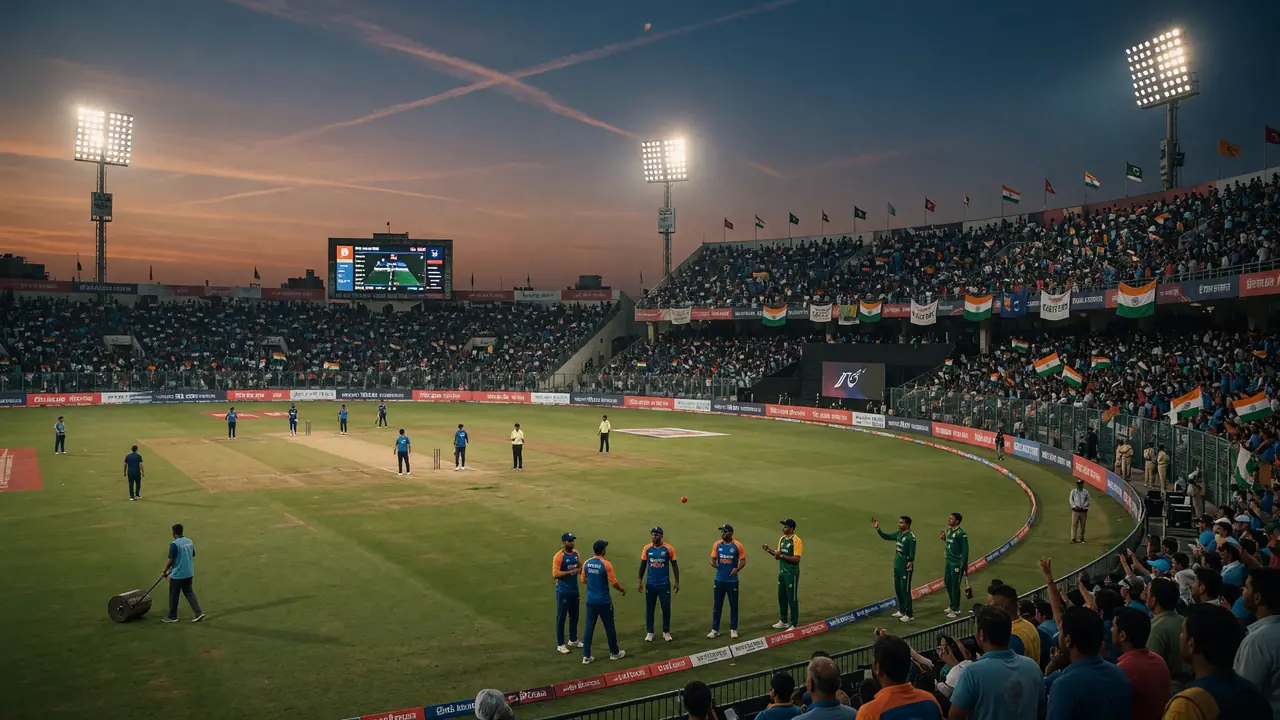
The 15 July 2026 Times of India report sat inside a familiar World Cup conversation: how the ICC had reshaped the 2027 50-over tournament, and what that reshape meant for the sport's most watched bilateral pairing. The article did not announce a fixture list. It explained a structure. Under the new model the field grows from ten sides to fourteen, a three-team Super Series filters the lowest-ranked qualifiers, twelve teams then split into two groups of six, seven sides move into a Super 7 round-robin, and four reach the semi-finals. Inside that ladder sits a practical India-Pakistan possibility: one meeting in the group stage if they are drawn together, a second if both reach Super 7, and a third if both survive into the last four.
For readers who follow India-Pakistan cricket through the My11Circle calendar, the value of that report was structural rather than speculative. The headline question about three meetings only makes sense once the stages are lined up in order. The rest of this retrospective keeps to the verified architecture from that 15 July 2026 piece, walks through each gate the ICC put in place, and separates what the format allows from what the draw and results still have to deliver. Related World Cup and bilateral coverage continues across our cricket news desk.
Why the format changed
The previous ODI World Cup model, built around a ten-team field, had become a settled product for broadcasters and boards. It also left little room for the wider membership once the main event began. The ICC's 2027 redesign, as reported by Times of India on 15 July 2026, moved in the opposite direction on numbers while tightening the path once teams arrived. Expanding to fourteen qualified sides answered the political and commercial demand for a broader field. Layering a Super Series, a twelve-team group stage and a Super 7 answered the sporting demand that matches still decide something from the first round.
The governing body framed the rebuild as a bid to make every fixture more meaningful from the opening day. That phrase matters because it reveals the design priority. Meaning, in this context, is not equal playing time for every qualifier. It is competitive consequence: a result that advances, eliminates or reshapes a table. The Super Series and Super 7 are the two devices that carry that priority. One compresses the bottom of the qualification ladder into a short, high-stakes mini-competition. The other compresses the top of the main tournament into a seven-team round-robin before the knockouts begin.
2027 ODI World Cup structure at a glance
Field size: expands from 10 to 14 qualified teams.
Super Series: Teams 12, 13 and 14 play a round-robin; only the winner advances to the main competition.
Group stage: the remaining 12 teams are split into two groups of six.
Super 7: top three from each group, plus the next best team overall, form a seven-side round-robin.
Knockouts: top four from Super 7 advance to the semi-finals, then the final.
India-Pakistan ceiling: up to three meetings if both are drawn together, both reach Super 7, and both reach the last four.
The Super Series filter for Teams 12, 13 and 14
The first structural novelty is the Super Series. The three lowest-ranked qualified sides do not walk straight into the main group stage. They contest a round-robin among themselves, and only one progresses. That is a hard filter. Two of the fourteen qualifiers end their World Cup before the twelve-team group draw has even settled into a table. For the ICC, the logic is efficiency: the main event starts with twelve sides already past a meaningful threshold. For the three teams inside the Super Series, the logic is harsh. Qualification is no longer enough. They must win a mini-tournament just to reach the tournament everyone else is already playing.
Times of India's report was clear that the Super Series is confined to Teams 12, 13 and 14 on the ranking ladder used for qualification. It is not a random play-off among any three late qualifiers, and it is not a repechage for sides already inside the top eleven. That ranking gate is part of the design's political bargain. Higher-ranked boards keep a cleaner path into the main competition. Lower-ranked boards receive a World Cup berth, then immediately face elimination risk against each other. The winner joins the remaining field; the two losers become early footnotes.
Two groups of six after the Super Series
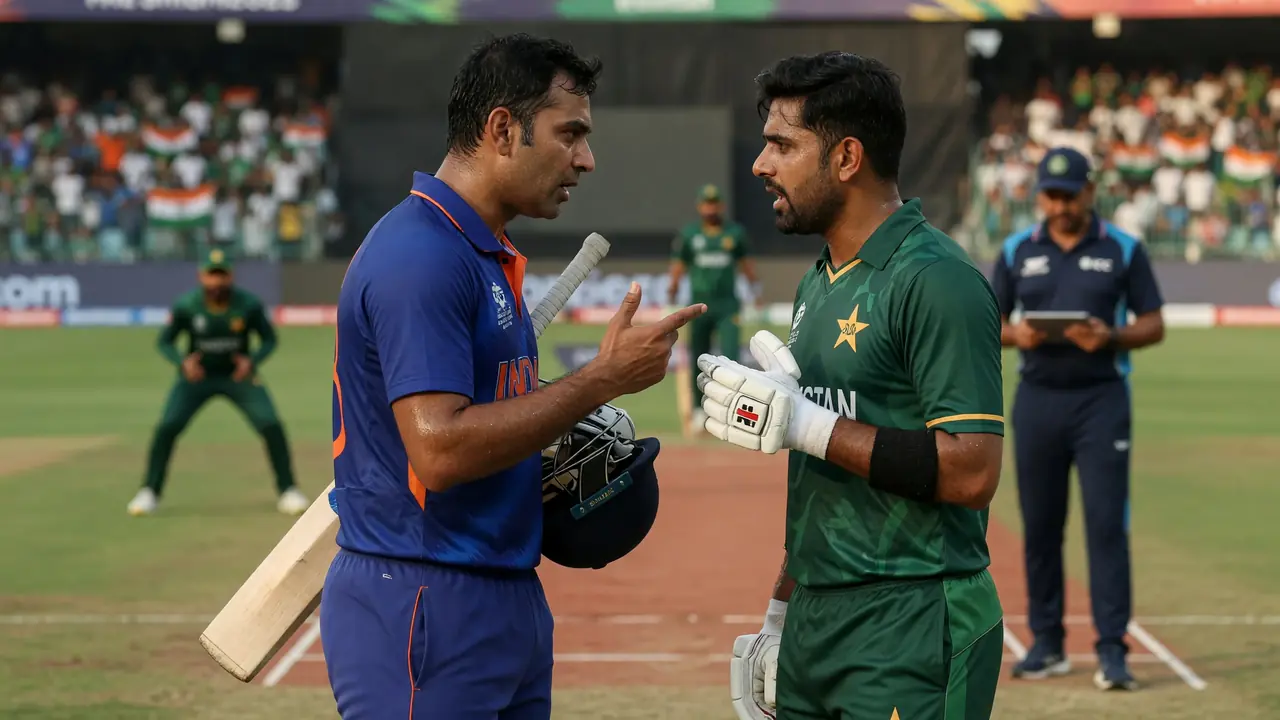
Once the Super Series winner is known, the main competition holds twelve teams. Those twelve are divided into two groups of six. Each group therefore offers five group matches per side before the Super 7 cut is made. Compared with older World Cup group models that left teams with long, low-consequence programmes, a six-team pool is compact. Compared with a pure knockout bracket, it still gives every main-draw side a table to climb rather than a single sudden-death fixture.
The qualification rule out of the groups is deliberately asymmetric. The top three sides from each group advance automatically. A seventh Super 7 place then goes to the next best team overall. That seventh berth is the format's pressure valve. It rewards a side that finishes fourth in a brutal group but still holds a stronger record than the fourth-placed team in the other pool, or than a third-placed side with weaker net metrics, depending on how the ICC applies the final ranking criteria. The verified report establishes the principle: six automatic qualifiers from the two groups, plus one next-best side overall. It does not invent extra tie-break detail beyond that architecture.
| Stage | Teams involved | Who advances |
|---|---|---|
| Super Series | Teams 12, 13 and 14 | One winner into the main 12 |
| Group stage | Two groups of six | Top three from each group |
| Next-best berth | Remaining group sides | One additional Super 7 place overall |
| Super 7 | Seven teams, single round-robin | Top four to the semi-finals |
| Knockouts | Semi-finals and final | World Cup winner |
What the Super 7 actually does
The Super 7 is the centrepiece of the redesign. Seven teams play a single round-robin. The top four advance to the semi-finals. That is a dense block of cricket. Every Super 7 side faces six opponents before the knockout bracket opens. Points, net run rate and head-to-head outcomes will decide who reaches the last four, and the volume of matches means a slow start is recoverable only if a side can string together results quickly.
For the ICC, the Super 7 solves two problems at once. It creates a second competitive peak after the group stage, rather than jumping straight from pool cricket into semi-finals. It also multiplies the number of high-stakes fixtures among the strongest remaining teams, which is the commercial heart of a modern World Cup. For the sides involved, the Super 7 is less forgiving than a group of six. There is no fourth-place safety net. Four go through; three go home. The round-robin format also means every team will meet almost every other survivor before the knockouts, reducing the chance that a single bad draw defines the entire second phase.
That density is exactly why the India-Pakistan question became the public face of the format story. If both nations reach Super 7, they meet there regardless of whether they shared a group. The Super 7 is not a optional path around a bilateral contest. It is a closed seven-team circle. Any two survivors inside it will face each other once during the round-robin.
The three-meeting path for India and Pakistan
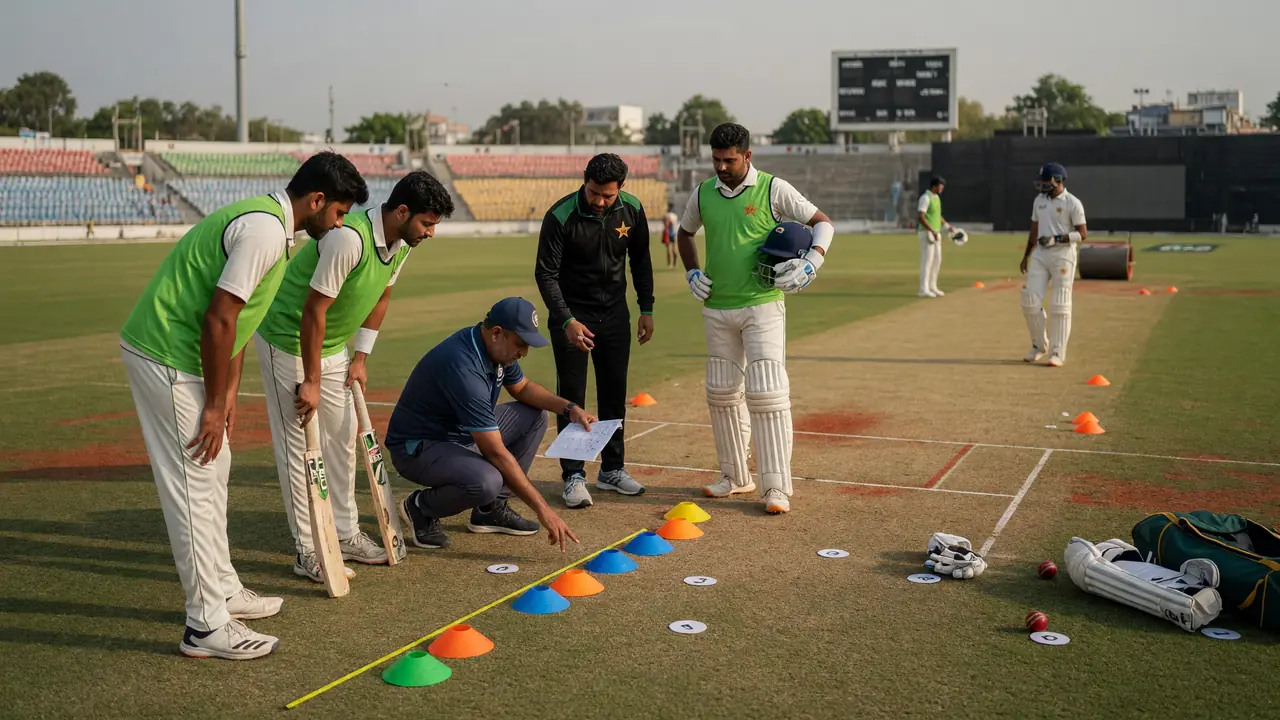
The Times of India framing that travelled farthest was the bilateral ceiling: India and Pakistan could face each other three times under the rebuilt model. The path is conditional, not guaranteed, and the conditions stack in a specific order.
First meeting: the group stage. That happens only if the draw places India and Pakistan in the same group of six. If they are separated, the group stage produces no India-Pakistan fixture at all. Second meeting: Super 7. That happens if both sides finish inside the seven-team second phase. Because Super 7 is a full round-robin among those seven, both survivors meet once whether or not they shared a group. Third meeting: a semi-final or the final. That happens only if both reach the last four and are then paired by the knockout bracket or both reach the title match.
Read carefully, the ceiling is therefore a product of three independent gates: the draw, Super 7 qualification, and knockout survival. The format allows the triple. It does not schedule it. A soft group draw with both sides in different pools can still produce a Super 7 clash and nothing earlier. A shared group with one early exit produces only the first meeting. A shared group plus dual Super 7 qualification produces two. Only the full climb into the last four opens the third.
How three India-Pakistan meetings could stack
Meeting 1 — Group stage: possible only if both are drawn in the same group of six.
Meeting 2 — Super 7: automatic if both reach the seven-team round-robin, because every Super 7 side faces every other Super 7 side once.
Meeting 3 — Knockout: possible in a semi-final or the final if both reach the last four and the bracket pairs them, or if both contest the title match.
What the format does not do: it does not force them into the same group, guarantee dual Super 7 qualification, or pre-assign knockout opponents.
What the ICC said the design is for
According to the 15 July 2026 report, the ICC presented the rebuild as a way to make every match more meaningful from the opening day. That claim is easiest to defend at the top of the structure. Group matches feed a tight Super 7 race. Super 7 matches feed a four-team knockout. There are fewer dead rubbers once the main twelve are set, because the next-best Super 7 berth keeps fourth-placed sides mathematically alive longer, and because Super 7 itself is a continuous points chase rather than a short best-of series.
The claim is harder to defend at the bottom. The Super Series gives three lower-ranked qualifiers a World Cup start, then immediately removes two of them after a short round-robin. Their participation is real, but it is brief. The main competition then proceeds without them. Meaning, for those two sides, is concentrated into a handful of elimination games rather than spread across a full group campaign. That is still more competitive consequence than a ceremonial first-round exit in some older expanded models, but it is not a deep tournament experience.
The criticism the report also recorded
Times of India did not present the redesign as universally welcomed. The same article noted criticism that the structure still limits meaningful participation for lower-ranked and emerging nations. That critique sits beside the ICC's own language rather than replacing it. Expanding from ten to fourteen teams looks inclusive on the entry list. Routing Teams 12, 13 and 14 through a Super Series that advances only one side looks exclusive again once the event starts.
There is a second layer to the criticism. Even among the twelve who reach the main groups, only seven continue into Super 7 and only four reach the knockouts. Emerging sides that clear the Super Series still face a steep climb through a six-team group stacked with established ODI boards. The format gives them a stage. It does not flatten the competitive gradient. For readers who care about the global health of 50-over cricket, that tension is the lasting policy question left by the 15 July 2026 report: whether a broader field with a hard early filter is a genuine widening of the World Cup, or a wider doorway into a still-narrow main event.
What the structure means for fantasy managers
My11Circle managers do not need a confirmed 2027 fixture list to extract a working read from this format. They need the stage map. Group-stage India-Pakistan contests, if the draw creates them, will behave like classic high-ownership derbies: premium batters and death bowlers spike in selection percentage, and differentials often come from the fifth-bowler or lower-middle-order roles rather than the obvious names. Super 7 meetings change the math. By then both sides have already survived a group, roles are clearer, and the six-match Super 7 schedule rewards consistency over one-off ceiling. Knockout meetings compress everything again into a single elimination contest where ownership clusters even tighter.
The Super Series also matters for managers who follow associate and lower-ranked full-member sides. Those three teams will generate a short burst of fantasy inventory before two of them disappear from the main event. Early-window contests built around Super Series fixtures will have a different player pool from the group stage that follows. Tracking which side wins that mini-league is not only a narrative note; it is the difference between keeping a bowling attack in your longer tournament plans and deleting it after three games.
None of that requires inventing squads or predicted XIs the 15 July 2026 report never provided. The useful fantasy output of the format story is calendar shape: a short Super Series, a twelve-team group phase, a dense Super 7, then four-team knockouts. Build watchlists around those phases, not around a guaranteed three-match India-Pakistan series that still depends on the draw and results.
What the July 2026 report left undecided
A format explainer is not a schedule release. The Times of India piece established the architecture and the bilateral ceiling. It did not, on the verified record used here, lock the host venues into this narrative, publish the official group pots, or confirm the exact ranking snapshot that will identify Teams 12, 13 and 14 on the day the Super Series is set. Those details sit downstream of the structural decision. Until the draw is done, the three-meeting path remains a maximum, not a fixture announcement.
That distinction is worth keeping clean in any later coverage. The ICC changed the machine. The machine can produce three India-Pakistan matches. Whether it does will be decided by the group draw, by who finishes inside the Super 7, and by who is still standing when the semi-final bracket is printed. Everything else is commentary around those three gates.
Why the 15 July 2026 report still matters
Looking back from later in 2026, the value of that Times of India explainer is that it fixed the public understanding of the 2027 ODI World Cup ladder before the marketing cycle turned the structure into slogans. The verified facts are durable: fourteen teams, a Super Series that advances only one of the bottom three qualifiers, two groups of six, a Super 7 fed by six automatic qualifiers plus one next-best side, four semi-finalists, and a bilateral ceiling of three India-Pakistan meetings if every gate opens.
The lasting comparison is with the ten-team World Cups that preceded it. Those tournaments concentrated quality and limited breadth. The 2027 model restores breadth at the entry point, then rebuilds concentration through Super Series and Super 7 filters. Whether that bargain serves emerging cricket or mainly multiplies marquee fixtures among the strongest boards is the argument the original report already flagged. Until the first Super Series ball is bowled, that argument remains the cleanest present-day relevance of the 15 July 2026 format story.
Underlying source: The Times of India, "India and Pakistan to face each other three times? ICC's new World Cup format explained," published 15 July 2026 at 20:11 IST. Verified facts drawn from that report: the ICC revamped the 2027 ODI World Cup format; the field expands from 10 to 14 teams; Teams 12, 13 and 14 contest a Super Series round-robin with only the winner advancing; the remaining 12 teams split into two groups of six; top three from each group plus the next best team overall reach a Super 7; the Super 7 is a single round-robin with the top four advancing to the semi-finals; India and Pakistan could meet in the group stage and again in Super 7 if drawn together and both advance, with a third meeting possible in a semi-final or final; the ICC said the format is designed to make every match more meaningful from the opening day; the article also noted criticism that the structure still limits meaningful participation for lower-ranked and emerging nations.