
Zimbabwe Call Up Uncapped Keeper Tafadzwa Tsiga for India T20Is in Harare
Uncapped wicketkeeper-batter Tafadzwa Tsiga has been named in Zimbabwe’s T20I squad for India, with the series due to open on Thursday at Harare Sports Club.
· My11Circle News Desk
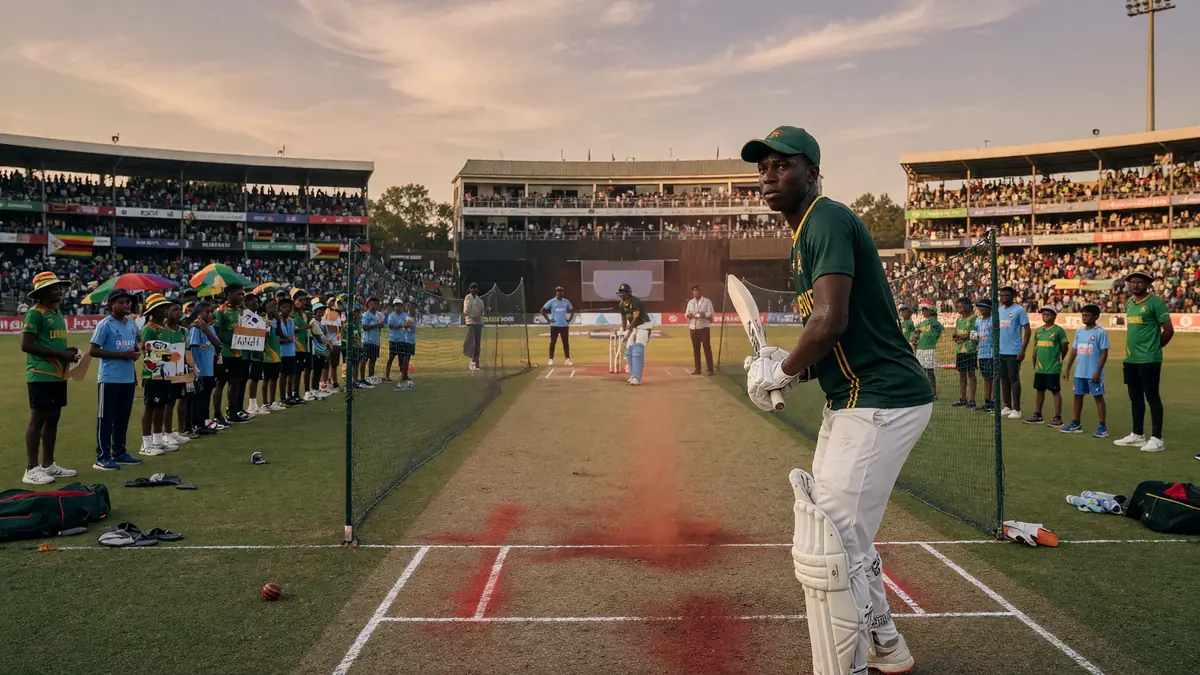
Zimbabwe have included uncapped wicketkeeper-batter Tafadzwa Tsiga in their Twenty20 International squad for the series against India, according to a Devdiscourse report published on 22 July 2026. The series is scheduled to begin on Thursday at Harare Sports Club.
The selection is the clearest early signal of how Zimbabwe want to approach a high-profile home assignment. Tsiga has not played a T20 International. His promotion therefore puts a new gloves-and-bat option into the match-week conversation before India arrive for the opener in Harare.
Source: Devdiscourse News Desk, 22 July 2026, drawing on agency inputs. The item confirms the call-up, Tsiga’s role as an uncapped wicketkeeper-batter, the India series context and the Thursday start at Harare Sports Club. It does not list the full squad, name a captain, state the series length or supply career figures.
A call-up framed as a refresh
Devdiscourse presents the move as part of a deliberate effort to revitalise Zimbabwe’s cricket group and bring fresher players into the international mix. That framing matters. It casts Tsiga’s inclusion as more than a short-term cover for a single injury gap. Selectors are signalling that they want competition in the wicketkeeping and middle-order space as they prepare to face India at home.
A squad place is not the same as a confirmed debut. International panels routinely name more players than can take the field on any given night. Tsiga’s name on the travelling or home squad list means he is available for selection through the series window. Whether he keeps in the Thursday XI, shares the gloves later in the set, or spends the opening fixture on the bench will only be settled when Zimbabwe hand in the team sheet.
What a wicketkeeper-batter adds
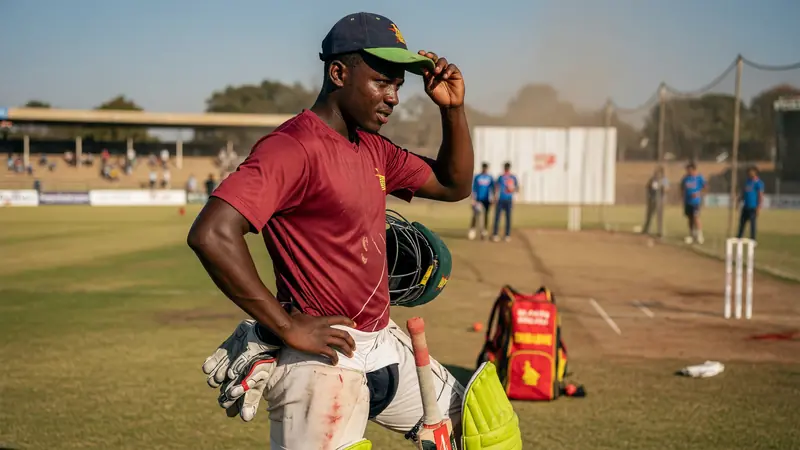
In modern T20 cricket the keeper is rarely asked only to stand up to the stumps. Most sides want runs from the same selection slot, either as a stabiliser after an early wicket or as a later accelerator when the required rate rises. An uncapped player who can offer both gloves and batting depth therefore changes how the rest of the balance is built around him.
If Tsiga plays, Zimbabwe can explore a different split between pure batters and all-round options without carrying a non-batting specialist. If he does not play immediately, the call-up still shows that the gloves combination is open to challenge rather than locked for the entire home assignment. Both readings sit inside the “fresh talent” language used in the source report. Neither should be stretched into a guaranteed debut narrative before the toss.
For contest managers following India’s tour fixtures, the practical takeaway is narrower. Mark Tsiga as a watchlist name for the Zimbabwe keeper-batter slot. Hold final ownership decisions until the XI confirms who keeps and where that player bats. A debutant who walks out at five has a different points path from one who arrives at seven or eight, and the Devdiscourse item does not place him in any batting position.
Thursday at Harare Sports Club
The series opener is fixed for Thursday at Harare Sports Club, one of Zimbabwe’s most familiar international grounds. A known home venue for the first match simplifies logistics for the hosts and gives the squad a surface it has prepared on through the lead-in. The source does not describe pitch behaviour, expected totals or weather, so those details should wait for official match briefings rather than be inferred from the selection note.
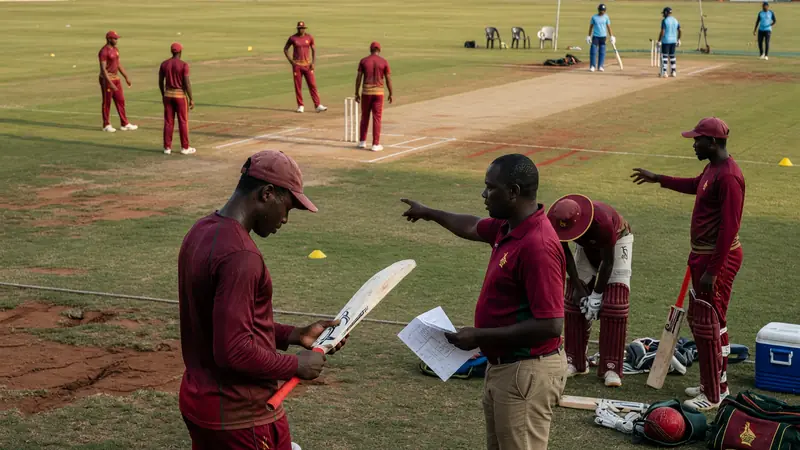
The short gap between the published squad news and the first ball also compresses the usual public trial period. There are fewer training days in which a preferred XI can leak into open view. Readers tracking the story should treat captain’s comments, official media notes and the toss sheet as the next hard sources, not social speculation about averages or invented quotes. The Devdiscourse item carries no on-record remarks from Tsiga, the coaching staff or the Indian camp.
Why the gloves decision will dominate build-up
Wicketkeeper selection shapes more than one column on the team sheet. It influences who fields in the cordon, who sets the tone with the bat in the middle phase, and how many pure bowling all-rounders Zimbabwe can carry without weakening the lower order. That is why an uncapped gloveman-batter attracts attention even when the surrounding squad list is incomplete in the public wire copy.
Home series against India also raise the standard of the examination. Visiting attacks at international level test glove work through pace off the surface, spin that drifts past the edge, and repeated left-right batting combinations that force keepers to adjust their standing positions. Selectors who want to “enhance their competitive edge,” in the language of the Devdiscourse report, often use such assignments to see whether a newer player can hold shape under that pressure rather than only against softer domestic workloads.
None of that pre-writes Tsiga’s first contribution. Debutants can be asked simply to keep tidily and bat with a clear plan for ten balls. They can also be held back until conditions or match situation favour a different balance. The responsible preview position is to track the role, not to invent a script for his first over or first innings.
Reading the series window cleanly
Bilateral T20 sets between these sides usually compress a lot of attention into a few nights. For Zimbabwe, the home leg is a chance to blood players in front of a crowd that knows Harare Sports Club’s rhythms. For India supporters, it is an away assignment where role security on both teams still settles through the first two fixtures. The Tsiga news belongs to the first half of that timeline: squad construction, not match narrative.
Because the assigned report stops at selection and schedule, several details remain correctly marked as unknown. The full Zimbabwe squad list is not reproduced here. Captaincy is not confirmed in the source. The number of T20Is in the set is not stated. Warm-up results and net reports are outside the item. Filling those blanks from other outlets would change the attribution of this piece, so they stay out until a later update can cite them properly.
What remains is still enough for a clean match-week note. Zimbabwe have elevated an uncapped wicketkeeper-batter into the India T20I squad. The hosts open the series on Thursday at Harare Sports Club. The selection is presented as a talent-injection move aimed at sharpening the side’s competitive edge. Those three facts are the spine of the story; everything else waits on official team news.
How the story sits for Indian audiences
India’s visits to Zimbabwe generate heavy interest among fans who follow bilateral T20 cricket and build sides around confirmed roles. Early squad news from the home camp is useful precisely because it arrives before warm-up chatter and late fitness notes. Tsiga’s elevation is one of those early markers: a named uncapped keeper-batter available against India at a home ground with a known start day.
It is not, on present evidence, a full preview of Zimbabwe’s first XI, nor a verdict on how the series will unfold. India will bring their own selection questions on the road. Those questions sit outside the Devdiscourse report and are not mixed into this account. The verified Zimbabwe-side facts remain limited and clear: Tsiga is in the T20I squad, he is uncapped in the format, he is listed as a wicketkeeper-batter, and the series opens Thursday in Harare.
Follow wider cricket news through match morning for the official XI and any late changes once Thursday’s fixture locks in.
What comes next
Watch Zimbabwe’s official XI at Thursday’s toss at Harare Sports Club. That team sheet will settle whether Tsiga debuts, whether he keeps wicket, and where he bats.