
Netherlands vs Namibia 121st ODI: Prediction, XI, Pitch
Netherlands host Namibia at Sportspark Maarschalkerweerd in Utrecht on Friday, 31 July 2026, with the first ball scheduled for 2:30 PM IST in the 121st ODI of the ICC Cricket World Cup League 2. Netherlands enter the fixture on three straight wins in the ongoing home leg and with the heaviest scoring and bowling depth in this League 2 cycle; Namibia arrive on the back of a three-run win over Nepal after posting 211. Cricketwebs has named Netherlands its match pick, with stated winning chances of 73 percent for the hosts and 27 percent for the visitors.
- My11Circle News Desk - Match Predictions
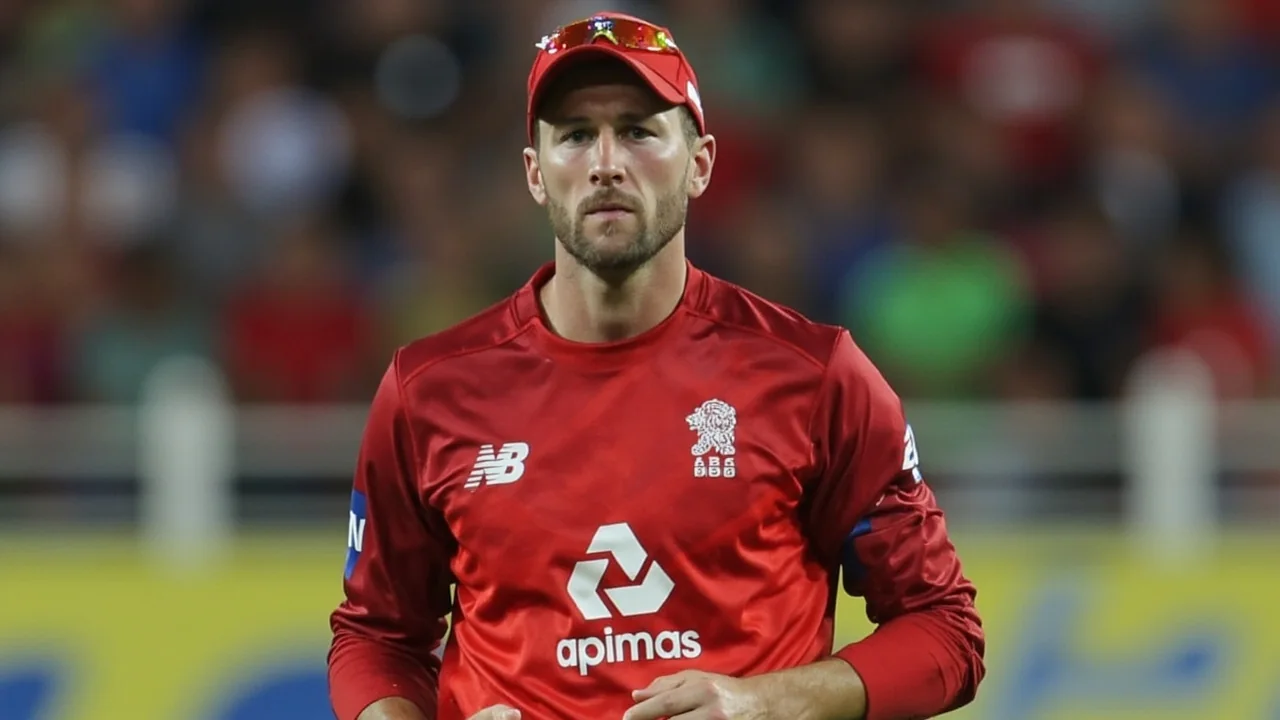
Utrecht is the calm centre of the Netherlands home leg, and the 121st ODI of the ICC Cricket World Cup League 2 gives the side that has won three in a row on this stretch a fourth straight opportunity to bank points before the road trips that follow. The fixture sits inside a League 2 window that matters more than its profile suggests. Every game on this leg nudges the standings around the qualification spots for the 2027 ODI World Cup, and Netherlands have turned Maarschalkerweerd into a venue where the pressure sits on the touring side rather than the hosts.
Namibia arrive with form on their side, but it is the longer shape of the two campaigns that frames this match. Cricketwebs's preview makes the simple point: the head-to-head in ODIs is 4-1 in Netherlands's favour, and the all-format international ledger runs 8-2 the same way. The two sides have met often enough that there is no surprise in the match-up, only the question of which current personnel can keep the historical pattern running. That question is sharper for Namibia than for Netherlands, and the bowlers they pick will tell you whether they have decided to bowl first or chase at the toss.
The single most useful number on the Dutch side is the League 2 run-scoring table. Max O'Dowd sits at the top of it with 981 runs, a total that reflects three summers of consistent top-order batting rather than a single purple patch. Around him the Dutch batting has the depth that has been the difference in this cycle: the middle order has been able to absorb early wickets without the innings unravelling, and the lower order has held its shape well enough to push totals past the 270 mark on the flatter Utrecht surfaces. Namibia's response at the top of the order is Jan Frylinck, who has 816 League 2 runs and the kind of middle-over counter-punching that can change a chase if he gets in.
The bowling numbers tilt the match-up further. Kyle Klein has 45 wickets in the League 2 campaign and Aryan Dutt 43, which gives Netherlands a fourth-seamer option and a frontline spinner who can break partnerships through the middle overs. Namibia's equivalent is Bernard Scholtz, whose 48 wickets put him marginally ahead of both Dutch bowlers and confirm his place as the most successful spinner in this League 2 cycle. The Scholtz-versus-O'Dowd contest in the middle overs is the single most important duel in the match, because Scholtz's accuracy against left-handers is the part of his game that decides whether Netherlands can accelerate past the 250 mark or get strangled below it.
The Utrecht pitch, and what both sides want from the toss
Cricketwebs describes the Sportspark Maarschalkerweerd surface as balanced, with first-innings totals in the 240 to 270 range flagged as competitive. That window is wide enough to cover a few different match shapes. A side that bats first and gets to 250 has usually defended it in this League 2 cycle at Utrecht; a side that gets to 270 has usually won, regardless of how the chase unfolds. Below 240, the chasing side has more room than the defending side, because the surface flattens out under the afternoon sun and the dew that settles through the second innings tends to take the seam movement out of the equation.
That is why the toss is the second most important moment of the day after the team-sheets go up. Netherlands have preferred to chase at home in this cycle, on the assumption that the dew and the flatter second-innings surface will let their middle order express itself. Namibia, by contrast, have built their recent wins on first-innings totals that the chasing side cannot overhaul - their three-run win over Nepal came after they posted 211 and then had to defend a relatively modest score on a surface that gripped a little more than expected. If the toss falls their way in Utrecht, expect Gerhard Erasmus to bat first and ask his bowlers to defend whatever total the Dutch batting sets.
The pitch report also says that the square has been consistent through the home leg, which means the bowlers cannot expect any unusual behaviour on day one of the fixture. That consistency favours the side with the better execution under lights rather than the side hoping for uneven bounce or grip. Klein and Dutt for Netherlands and Scholtz for Namibia have all bowled enough overs on this surface to know what they are going to get; the variable is whether the new ball will move enough in the first ten overs to take three top-order wickets, or whether the batting side will get past the powerplay without damage and set up the kind of total that turns the second half of the match into a chase rather than a defence.
Probable playing XIs and what the team sheets tell you
Both sides have settled into recognisable combinations through this League 2 cycle. Netherlands are expected to open with Max O'Dowd and a left-handed partner, with the middle order anchored by the experienced Bas de Leede and the all-round option that gives them an extra seamer when conditions favour the ball. The bowling attack is built around Klein and Dutt, with Paul van Meekeren as the third seamer and a wrist-spin option that has been used sparingly through the home leg.
Namibia's expected XI is anchored at the top by Jan Frylinck and JP Kotze, with the middle order built around the captain Gerhard Erasmus and the experience of JJ Smit. The bowling is led by Scholtz through the middle overs, with Rubel Hossain and Tangeni Lungameni offering the new-ball options. Namibia's bench has a little more batting depth than Netherlands, but less proven wicket-taking power outside Scholtz, which is why their match-up against Klein and Dutt is the one that decides whether the chase ever gets close.
| Likely XI | Top order | Middle order | Bowling attack |
|---|---|---|---|
| Netherlands | Max O'Dowd, left-hand opener | Bas de Leede, all-rounder | Klein, Dutt, van Meekeren |
| Namibia | Jan Frylinck, JP Kotze | Gerhard Erasmus (c), JJ Smit | Scholtz, Hossain, Lungameni |
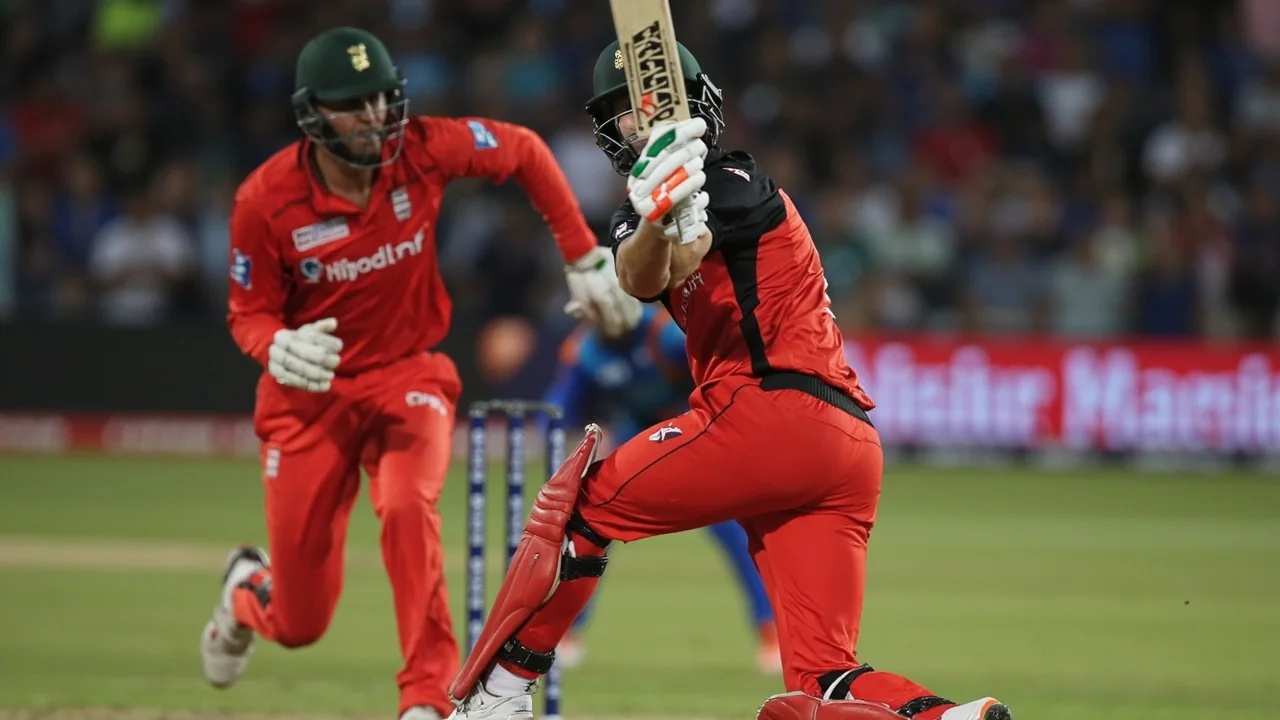
Recent form and the shape of each campaign
The form numbers are useful but they need context. Netherlands's three straight wins at home were not against Namibia, they were against a mix of League 2 opponents who play different styles. What the streak tells you is that the Dutch side has been able to set a template and execute it across three different match-ups without the template breaking down, which is a better signal than any single result. The template is straightforward: bat first if you win the toss, post 250-plus, and then use Klein and Dutt in the middle overs to keep the chase under pressure.
Namibia's three-run win over Nepal came after they posted 211, which is below the competitive window Cricketwebs has flagged for Utrecht. The win tells you two things. First, that Namibia's bowlers can defend a below-par total on a surface that has something in it for the slower bowlers. Second, that their batting has not been as dominant as the Dutch batting through this cycle. Frylinck's 816 runs are impressive, but the rest of the Namibia batting has been streaky, and Erasmus has had to do more middle-order rescue work than his Dutch counterpart.
For fantasy managers building a team around this fixture, the form read is straightforward. Pick the Dutch top order, pick Klein and Dutt as your seam options, and pick Scholtz as the differential captaincy option if you want to back the only bowler on either side who has the numbers to break a partnership on this surface. Avoid the middle-and-lower order of either side unless you are picking for a grand-league differential play; the middle overs at Utrecht have been about containing runs rather than clearing the rope.
What the models and the pundits say
Cricketwebs has named Netherlands its match pick with stated winning chances of 73 percent for the hosts and 27 percent for the visitors. The number sits in the same range as the form table would suggest: three straight wins at home, the heavier scoring depth, and the more reliable wicket-taking options all point the same way. The 73-27 split is not a runaway favourite's number; it is the kind of number you get when the underlying models see a clear edge but not a mismatch.
For fantasy managers, the model read translates into a clear team-building template. Build around four or five Dutch players, take Scholtz as your differential captain if you want upside, and use Erasmus as your vice-captain option if you want to back the side that has the historical upset chance. Avoid going heavy on Namibia's middle order; the historical head-to-head suggests that when Netherlands have won, they have done so by strangling the Namibian middle overs, and that pattern tends to repeat on the same surface within a cycle.
The honest caveat is that League 2 cricket at Utrecht has produced more upsets than the form table would suggest, and Namibia have the experience to win the kind of low-scoring game that does not show up in the pre-match numbers. If they bowl first and keep Netherlands under 220, Scholtz's control through the middle overs could be enough to defend a chase in the 180s. That is not the model pick, but it is the realistic upset path, and it is the reason the stated winning chances are 27 percent rather than 15.
Tactical moments to watch
There are three passages of play that will shape the result. The first is the first ten overs with the new ball, where Klein and Dutt will look to take early wickets against the Namibian top order. If Netherlands can take two wickets in the powerplay, the chase becomes a question of how quickly Namibia can rebuild through the middle overs. The second is the Scholtz-versus-O'Dowd middle-overs contest, where the Namibian spinner will try to slow the Dutch scoring rate against the Dutch batting's strongest accumulator. The third is the death overs, where van Meekeren and the Namibian seamers will try to keep the scoring under ten an over, which is the difference between posting 250 and posting 280.
For fantasy managers tracking the live game, these are the moments that will move captain and vice-captain scores the most. The Scholtz-O'Dowd middle-overs contest is the single most impactful passage for points because both players are in the same role category, and the player who wins that contest will usually be the player who finishes the match with the highest fantasy total regardless of the final result.
The other tactical detail worth flagging is the use of the batting powerplay. Netherlands have used the batting powerplay aggressively through this home leg, taking it in the middle overs rather than at the death, which has worked because their middle order has the players who can clear the rope when the field is up. Namibia have used it more conservatively, which is part of the reason their batting has looked streaky even when the individual numbers are decent. The team that wins the powerplay contest will usually win the match, on this surface.
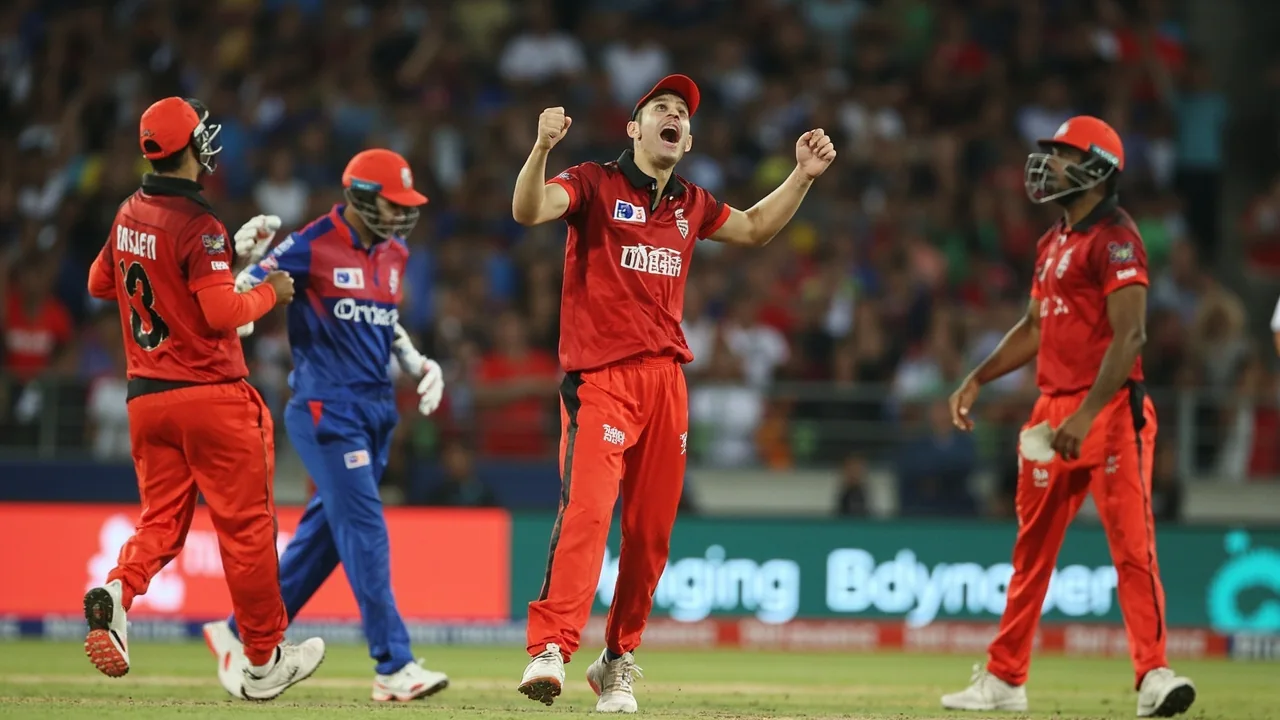
Fantasy team template for this match
The cleanest fantasy read is a 6-5 split in favour of Netherlands, with O'Dowd as captain, Klein as a must-pick seamer, and Scholtz as the differential captaincy option if you want to back the underdog. The rest of the Dutch batting slots should be filled from the top order; avoid the lower order unless you are building a grand-league team. For Namibia, pick Frylinck and Erasmus as your anchor players, with Scholtz as your only bowler pick from their side. Kotze and Smit are the differential batting options if you want to spread your lineup across both sides.
The vice-captaincy choice is the one that will decide grand-league rankings. The default pick is Klein, because his wicket-taking role gives him the highest ceiling on a surface where the middle overs tend to produce wickets. The upside pick is O'Dowd, who has the most runs in the cycle and the best record at Utrecht. The differential pick is Scholtz, who has the best bowling numbers on either side and the kind of role that produces captaincy points even when the wickets do not come.
For more context on how these numbers feed into a full fantasy team, the broader match predictions and fantasy read on this site tracks the form and role numbers across the full League 2 window, with weekly updates that match the schedule Netherlands and Namibia are playing.
Underlying source: Cricketwebs, "Netherlands vs Namibia 121st ODI Match Prediction, Playing XI, Pitch Report and Winning Chances," published 31 July 2026 at 03:15 IST. Verified facts: 121st ODI of the ICC Cricket World Cup League 2 at Sportspark Maarschalkerweerd in Utrecht on 31 July 2026, 2:30 PM IST start, Netherlands entered the fixture after three consecutive wins in the current home leg, Netherlands lead the ODI head-to-head 4-1 and the all-format international record 8-2, Max O'Dowd leads the League 2 run-scoring table with 981 runs, Kyle Klein has 45 wickets and Aryan Dutt 43 in the League 2 campaign, Jan Frylinck has 816 League 2 runs for Namibia and Bernard Scholtz 48 wickets, Namibia's recent three-run win over Nepal came after they posted 211, the pitch report describes a balanced Utrecht surface with first-innings totals of 240 to 270 flagged as competitive, Cricketwebs named Netherlands its match pick with stated winning chances of 73 percent for the hosts and 27 percent for the visitors.